
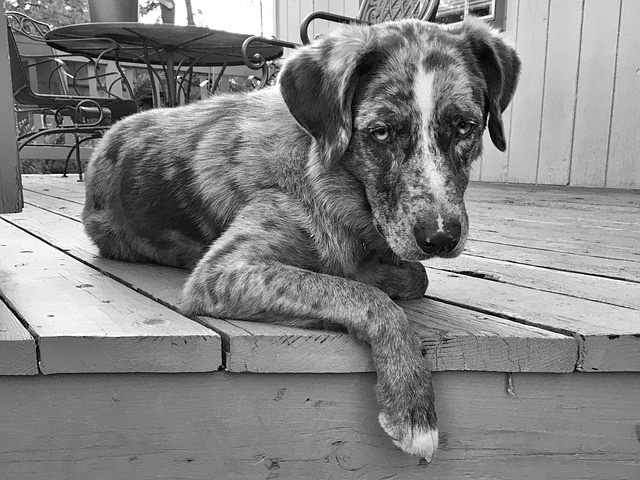

Mange is a common skin disease in dogs, which might create panic in their owners. The term ‘Mange’ is taken from the French word ‘Mangeue’ which means to eat or itch. Mange is a skin condition in dogs, caused by tiny prolific parasites known as Mange mites.{1}{2}
In Mange, the microscopic parasitic arachnids (tick form) eat the skin cells by burrowing beneath the skin’s surface. If you find your beloved pet itching like crazy, there are chances that they are developing Mange under the skin cells. But, the relieving part is: Most of the time it is easily treatable and preventable.{1}{2}

There are 3 types of Mange that may affect a dog: Sarcoptic Mange, Demodectic Mange, and Notoedric Mange. Let’s understand these types in detail.{3}
What Is Sarcoptic Mange in Dogs?
Sarcoptic Mange, which is also known as canine scabies, is a highly contagious Mange condition among dogs. This skin disease is caused by an 8-legged mite named ‘Sarcoptes Scabiei’, which is circular in shape. These mites set-up home underneath the dogs’ skin and mate to reproduce, making the condition more complex. Your dog may get these mites when exposed to other infected animals, or due to sharing contaminated boarding and shelter facilities. It is a communicable disease and can transfer from dog to dog or dog to humans.{1}{2}
After coming in contact with the infected animal or surface, the dog may start showing symptoms of Sarcoptic Mange in between 10 days to 8 weeks. If left untreated, the mites may start affecting 1 portion of the body and gradually cover the entire body.
- The initial symptoms of Sarcoptic Mange in dogs may look like slight itch rounds in ear flaps, legs, armpits, belly, and elbows.
- Over time, the symptoms may take the form of thickening of skin, extreme redness and itchiness, thick yellow crusts, bacteria and yeast infection, hair loss, open sores, and swelling in lymph nodes.{1}{3}
What Is Demodectic Mange in Dogs?
Demodectic Mange, also known as Demodicosis, Demodex, or Red Mange, is the normal part of skin flora and is usually harmless. It is caused by the cigar shaped, eight-legged parasitic mite known as ‘Demodex Canis’. This skin condition may transmit from mothers to their baby pups after fews days of birth. These mites make their home deep into the hair follicles and skin oil glands without creating any complications.{2}{1}
Usually, there is nothing to worry about, but sometimes things become troublesome due to a weak immune system. In localised cases, it affects the specific area of the body; whereas in generalised cases, it may affect the entire body. The symptoms of Demodectic Mange in dogs may include:
- Patches of hair loss, scaling and redness of skin in localised cases.
- Crusts, swelling, scaling, infections, redness in the whole body, in generalised cases.{4}{1}
What Is Notoedric Mange in Dogs?
Notoedric Mange, also known as Feline Scabies, is a rare condition. It is quite related to Sarcoptic Mange and is caused by Notoedres Mites. It is contagious and may spread to dogs and humans with contact.{4}
How Vets Treat Mange?
The treatment of Mange in dogs depends upon the type of Mange from which the dog is suffering, as well as its severity level. Sometimes, the mites disappear on their own, but in some cases it requires treatment to control the mites and heal the skin. In any case, expert guidance is necessary before opting for any healing process, as mild cases may also develop and turn severe. So, always take advice from a licensed veterinarian before opting for any treatment.{3}{5}
As far as Sarcoptic Mange is considered, it is easily treatable with medication, under the supervision of a vet. During the treatment, some medicated shampoos and ointments are required once a week for over 4 to 6 weeks of time to kill the existing mites. But, some of these mites may develop immunity for certain treatments. In this situation, different experiments may be helpful in completely getting rid of these mites. Further, to reduce swelling in the skin, steroids in the form of cream or tablets may help. Also, some oral and topical medications may be useful. While providing any treatment, remember that this Mange condition is highly contagious and may spread even after about one month of the treatment, so keep your dog quarantined. Make sure that you replace their bedding, shelter, and everything that comes in contact to stop spreading of the disease.{6}{5}{3}
When it comes to Demodectic Mange, the localised cases may clear on their own with time, but veterinarians may prescribe some gel or cream to speed up the process. There are chances of full recovery in localised cases. As far as generalised cases are concerned, some of them may recover easily and some may need treatment for their whole life.{4}{3}
Some Helpful Information and Home Remedies
Remember, the younger the dog is, the higher the chances of recovery are. Lower immunity may be the cause of severity of cases. Stress and anxiety may result in lowering the immunity level. So, always feed high quality food to your dog and provide them with a low stress home environment.{3}
DuePet App can help you manage the mange issue in your dog. Along with many features, you get the feature to record the symptoms and keep a track of the progress. Reminder feature helps you in ensuring that you are not forgetting any medication or vet appointments.
There are some home remedies that may work to treat Mange in dogs. Not all the remedies might be effective for your dog, but may contribute to the healing process.
- Give a regular bath with warm soapy water.
- Slice one lemon and soak it in the boiling water. Let it sit overnight. Apply it to the dog using a sponge.
- Cooking oil may also prove helpful. Just put 2 drops on the infected area.
- Apple cider vinegar may work as the healing ingredient. Add it to the dog’s food.
- Remove scaly skin and scabs using a brush.{3}
An expert guidance is always suitable before applying any home remedy. Before panicking and rushing for anything, always look for a certified vet. Remember the disease may get severe sometimes, but there are always chances that your beloved pet may recover very soon.
Download DuePet’s iOS App Now Download DuePet’s Android App Now
FAQ
Look for any rashes or redness in skin along with hair loss and itchiness to conclude a possibility of mange in your dog.
Just ensure that your dog is stress-free and immunity is improving. Leave the rest on your vet. You may consider doing some home remedies as well.
Mange is caused by mites. Make sure that your dog is not coming in contact with any contaminated animal or surface.
Yes, most dogs survive mange and it is treatable.
Sources
- https://www.akc.org/expert-advice/health/mange-what-you-need-to-know/
- https://www.dailypaws.com/dogs-puppies/health-care/dog-conditions/mange-in-dogs
- https://www.caninejournal.com/mange-in-dogs/
- https://dogtime.com/dog-health/389-mange
- https://www.hillspet.com/dog-care/healthcare/what-is-dog-mange
- https://www.bluecross.org.uk/pet-advice/mange-dogs